
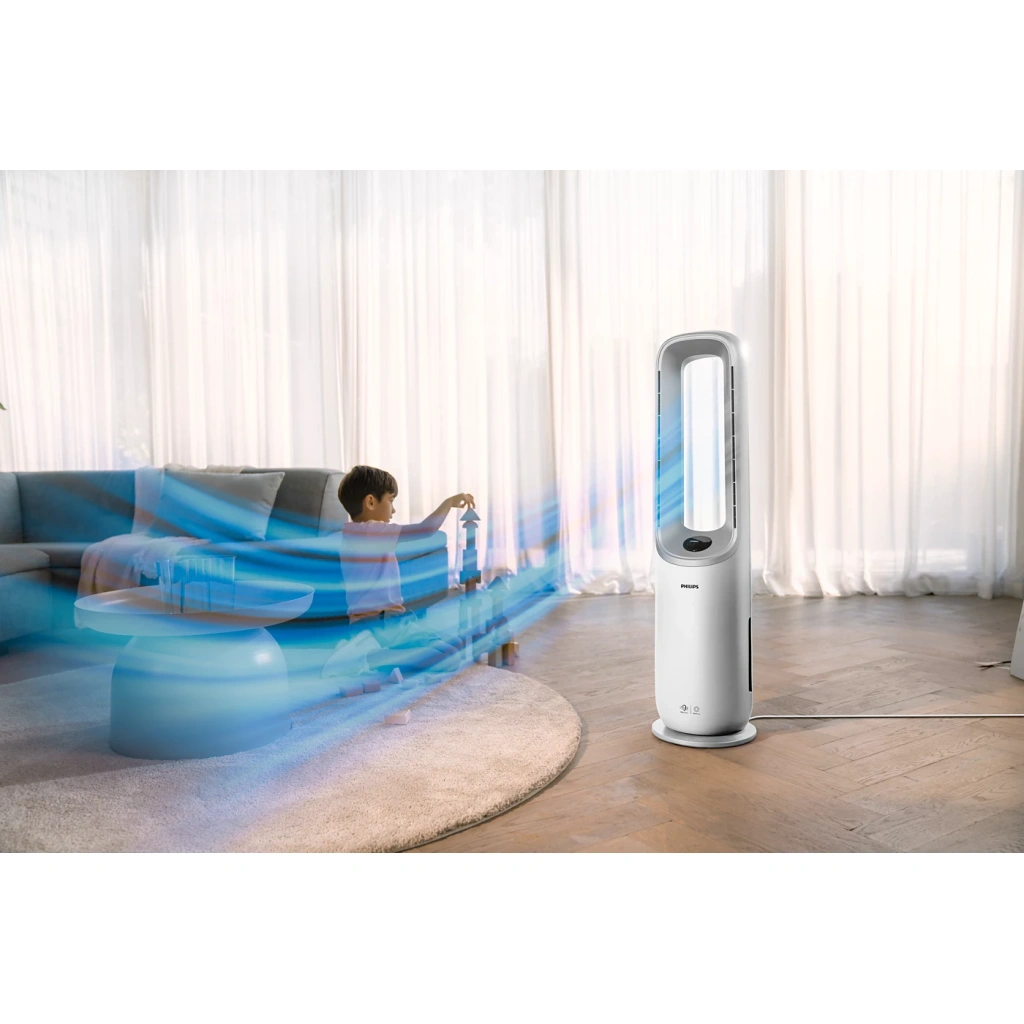
Indoor air quality is something many people overlook, but it plays a huge role in our health and well-being. With rising pollution, allergens, and dust, more households and offices are turning to air purifiers. But what exactly is an air purifier, how does it work, and do you really need one? Let’s dive in.
What is an Air Purifier?
An air purifier is an electronic device designed to clean the air by removing pollutants such as dust, smoke, allergens, mold spores, and harmful particles. Most modern purifiers use filters, ionizers, or UV technology to trap and neutralize airborne contaminants, making the air safer to breathe.
How Does an Air Purifier Work?
Different models use different technologies, but the most common method is through HEPA (High-Efficiency Particulate Air) filters. Here’s how they work:
- HEPA Filters: Trap particles as small as 0.3 microns, including dust, pollen, and pet dander. This is the filtration type to look for in a HEPA air purifier if fine particles are your main concern.
- Activated Carbon Filters: Absorb odors, gases, and volatile organic compounds (VOCs).
- UV Light Purification: Kills bacteria, viruses, and mold spores by breaking down their DNA.
- Ionizers: Release negatively charged ions that attach to particles, causing them to settle out of the air.
Benefits of Using an Air Purifier
- Cleaner Air: Removes dust, smoke, and pollutants.
- Allergy & Asthma Relief: Reduces triggers like pollen, pet hair, and mold.
- Odor Control: Eliminates cooking smells, cigarette smoke, and household odors.
- Better Sleep: Clean air reduces irritation, making it easier to breathe at night.
- Improved Health: Reduces the risk of respiratory issues, fatigue, and headaches caused by polluted indoor air.
Who Should Use an Air Purifier?
- Families with kids or elderly members (more vulnerable to pollution)
- Pet owners (to control dander and odors)
- People with allergies or asthma
- City residents (exposed to higher pollution levels)
- Smokers or households exposed to cigarette smoke
Things to Consider Before Buying
When shopping for air purifiers for Pakistani homes, keep these factors in mind:
- Room Size: Match the purifier’s capacity with your room’s square footage. For a standard bedroom, a compact HEPA purifier for bedrooms is usually enough.
- Filter Type: HEPA for particles, activated carbon for odors.
- Noise Level: Quieter models are better for bedrooms and offices.
- Maintenance Cost: Check how often filters need replacement, and whether replacement filters are available and affordable in Pakistan.
- Energy Efficiency: Look for models with energy-saving modes.
Conclusion
An air purifier is no longer a luxury—it’s becoming a necessity for healthier living. Whether you live in a big city with high pollution or simply want cleaner air for your family, investing in an air purifier can make a big difference in your overall well-being.
If you have decided you need one, our buying guide explains which model suits your room in Pakistani conditions, comparing coverage, filtration and noise across every model we stock.